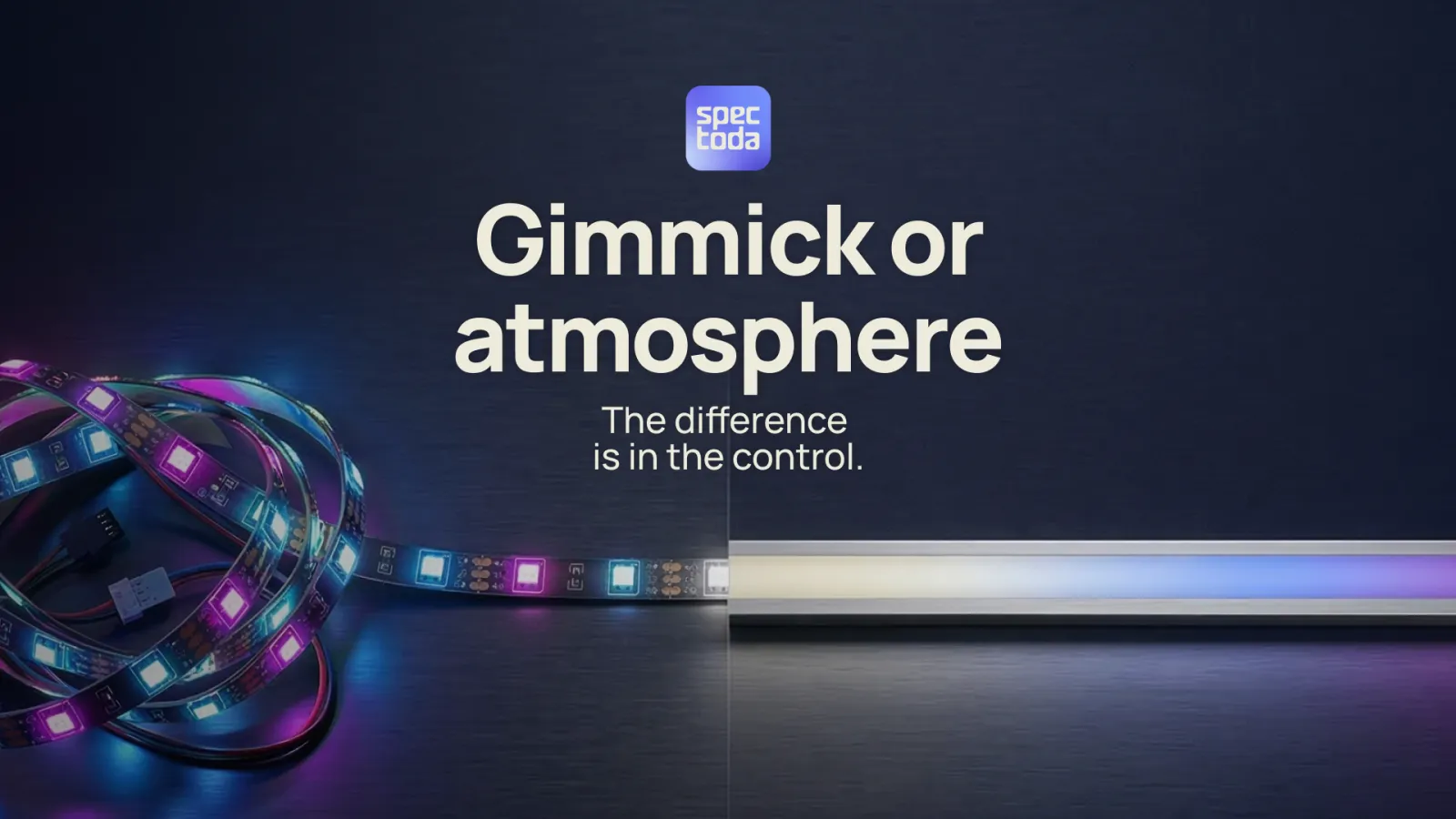
Digital LED Strips as a Tool for Memorable Light Design
Digital LED strips can either create visual chaos or become a refined dynamic layer of architecture. The difference lies in design sensitivity and the quality of the control system.
Digital LED strips are among the more recent and rapidly evolving light sources available today. For many, they are synonymous with flashing shopfronts and visual chaos. In a well-designed space, however, they can function in an entirely different way, subtly, refinedly, and with a significant impact on atmosphere. The critical difference is not the strip itself, but the quality of the design, animation and control system.
A Powerful Tool, But Only in the Right Hands
The strength of digital LED strips lies in their exceptional flexibility. They allow light to be controlled dynamically, pixel by pixel or segment by segment, enabling subtle transitions as well as more complex lighting scenes. At the same time, they can very easily become a self-serving effect that overwhelms a space rather than supporting it.
This is precisely why many people associate them with tasteless flashing displays, aggressive effects and light pollution. In public environments, we most commonly encounter their worst possible applications. Garish colours, poor timing, excessively rapid changes and a complete lack of sensitivity to the surrounding space result not in atmosphere or design, but in disruptive visual noise. This is not, however, a problem inherent to digital LED strips themselves. It is a problem of how they are used.
Light That Is Not Static
Unlike conventional light sources, digital LED strips allow individual pixels to be addressed independently. Light therefore does not need to be static. It can flow, respond subtly, establish a rhythm within a space and add a layer to an interior that conventional lighting simply cannot provide.
This is why they have a rightful place in contemporary hospitality, retail, galleries, event spaces and prominent commercial interiors. When used well, they do not read as an added effect, but become a natural part of the architecture. They can accentuate materials, guide attention, create depth and shift the mood of a space throughout the day. It is precisely this distinctive dynamic signature that makes a space memorable.

Where Most Implementations Fall Short
For digital LED strips to function as a fully-fledged design element, selecting the right type of strip is not enough. Control is the critical factor. Inexpensive or low-quality control systems typically offer only limited regulatory capabilities, covering basic effects and simple animations, but lacking the ability to work with nuance. They are missing the smoothness, precision and sensitive adjustment of speed, intensity and integration with other lighting layers that professional results demand.
It is also worth noting that many standard industrial lighting control systems are not ideally suited to digital LED strips. They are designed primarily for the functional management of luminaires, zones or scenes, rather than for detailed work with addressable pixels and refined dynamics. The result is either distracting flicker that draws attention to itself, or digital strips being removed from the design entirely because no appropriate control tool exists.
The Difference Between an Effect and Light Design
With the right control system, it becomes possible to design subtle animations that enliven a space without disturbing it. Light can pulse almost imperceptibly, shift intensity smoothly, and respond to occupancy, time of day or a specific scene. Rather than aggressive flashing, the outcome is a refined dynamic element that serves the architecture, the brand and the visitor experience. This is precisely where the distinction between an effect and genuine light design lies.
The system we use at Spectoda allows digital LED strips to be used to their full potential while maintaining the necessary degree of control. A key advantage is that pixel strips do not operate as a separate effect element, but as part of a single unified lighting ecosystem. Designers and operators can create scenes, programme subtle animations, synchronise strips with other lighting elements and maintain visual clarity throughout the entire space. In professional installations, integration with protocols such as DMX, Art-Net or sACN is also possible. Digital strips thus cease to be a novelty attraction and become a fully-fledged instrument for creating atmosphere.
Light as a Medium
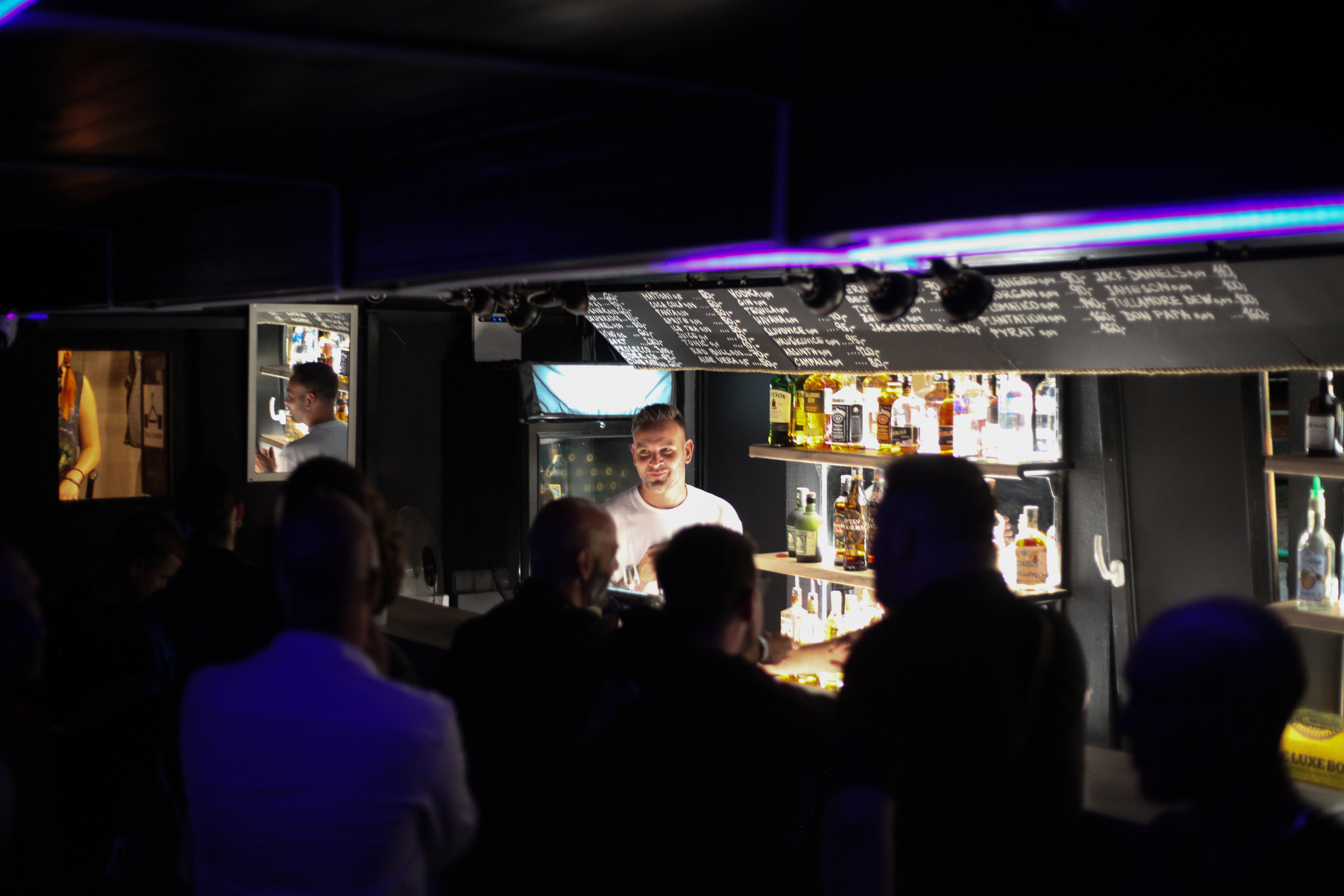
Digital LED strips are neither a technological novelty nor a decorative accessory. In a well-designed space, they can become a powerful medium that sets an interior apart. They help create emotion, rhythm and the identity of a place, not by being loud, but by working with space more sensitively than static light ever could.
For digital LED strips to perform correctly within a project, hardware alone is not sufficient. It is equally important to consider the narrative, intensity, pacing and control system. Only then do they become a truly powerful tool, one capable of transforming a space beyond recognition, without ever disturbing it.